The story
The story of the Te Ana-au caves
The Māori name, the 1948 rediscovery, the river that carved the caves, the takahē found in the same mountains and why access to the wider system is controlled.
Book the glowworm caves ↗Quick answer
The caves on the western shore of Lake Te Anau carry the Māori name Te Ana-au, rendered as the swirling cave. They were known in legend until Lawson Burrows rediscovered the upper entry in 1948, after three years of searching. The river that carved them, Tunnel Burn, still runs through, and the wider system is a controlled area.
A name for moving water
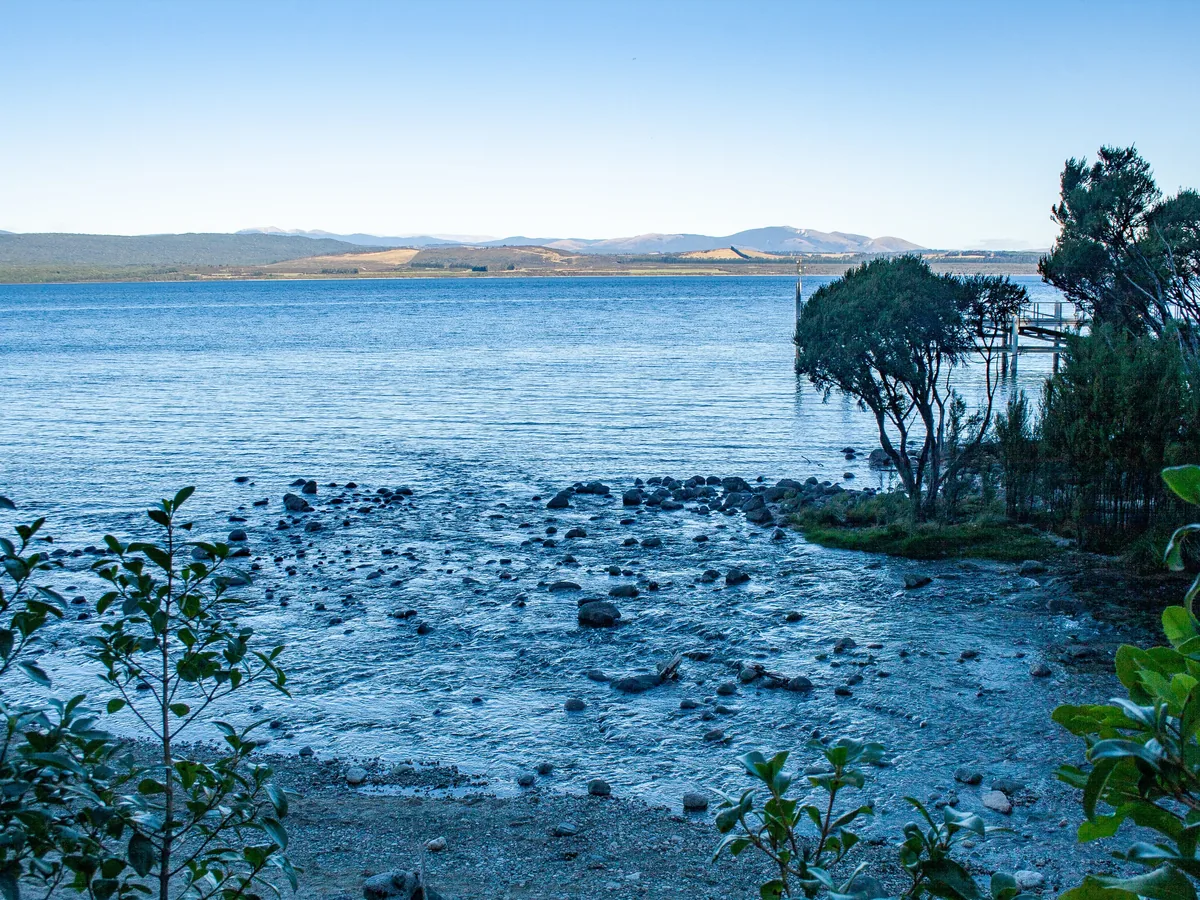
Wikipedia gives the Māori name of the caves, Te Ana-au, as the swirling cave, a reference to the water running through them, and gives the lake's name as the cave of swirling water. The operator's article translates the name as a cave with a current of swirling water. The name is a description of the place itself, given long before anyone mapped the passages.
Legend before maps
The operator's article says that for years the cave existed merely as part of Māori legend. Wikipedia says Lawson Burrows followed clues in old Māori legends when he searched for the upper entry. The two accounts agree on the point that matters: the stories came first, and the caves were found by someone who took them seriously. This site makes no claim beyond that, because the legends themselves belong to their tellers and are not retold here.
1948 and the search
Wikipedia says Lawson Burrows rediscovered the upper entry in 1948, after three years of searching. The operator's article says that he found the hidden entrance by diving under the lake's edge and resurfacing inside the cave. It adds that he then began the first tourism operation soon after. Other sources give slightly different years for the start of the search, so the safest wording is the one both pages share: 1948, after about three years of looking.
A company from a cave
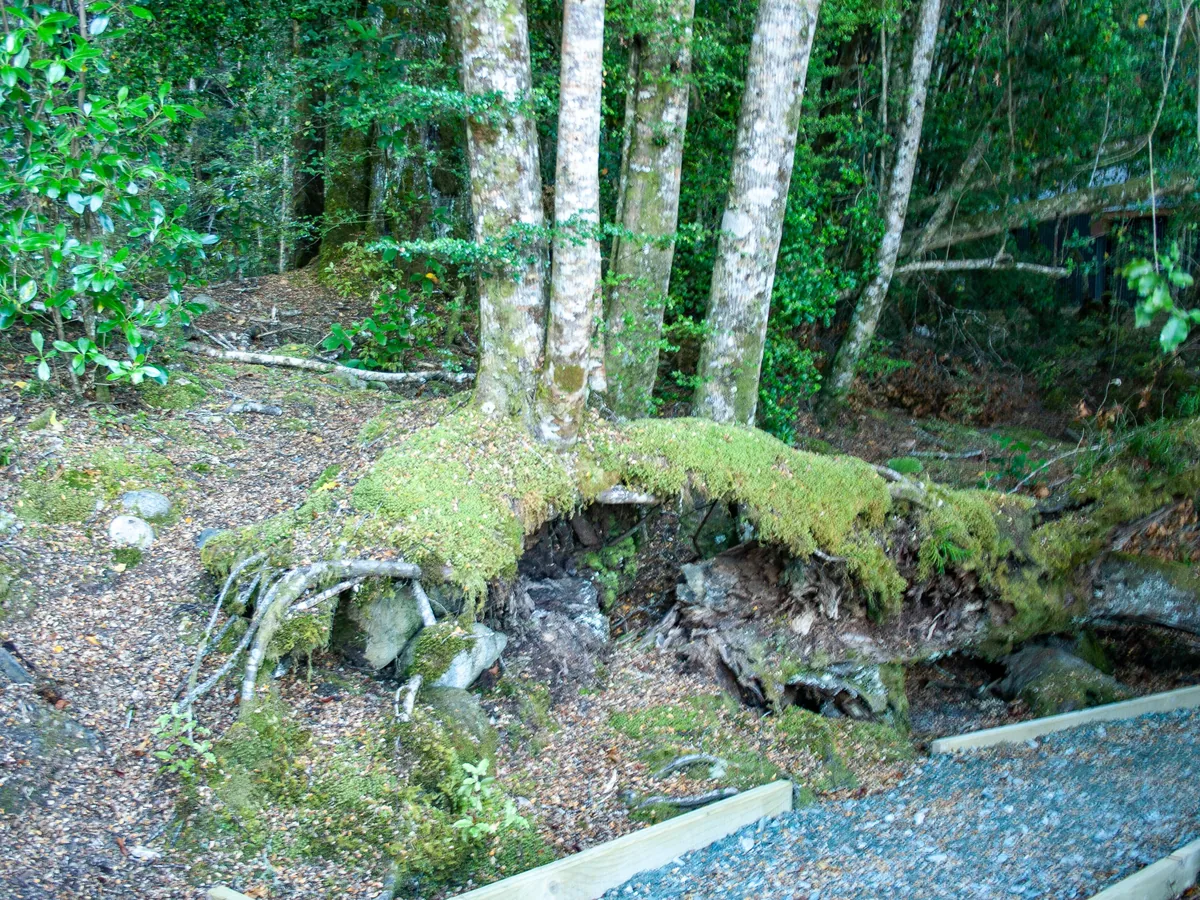
Wikipedia says Lawson Burrows and Wilson Campbell founded Fiordland Travels, which later became the company that runs the caves today. The business grew out of the rediscovery. The page names the later owners and the successive company names, which this site leaves to the page itself. What matters for a visitor is the continuity: the caves have been shown to the public by guided tour since not long after they were found,.
The river that carved them
The water running through the caves is Tunnel Burn, the outflow of Lake Orbell, says Wikipedia. The operator's article says it once ran across the surface from Lake Orbell to Lake Te Anau before cutting underground. The caves are about 12,000 years old, by both accounts, and the operator describes them as the youngest section of the greater Aurora system. A river that is still cutting limestone is why the passages are twisting and loud, and why they change.
A system bigger than the tour
The operator's article says the Aurora system is 6.7 kilometres long, with four levels, and that access is restricted, with a set annual visitor limit, because the ecosystem is fragile. Wikipedia says access is controlled under the Fiordland National Park Management Plan of 2007, with Specially Protected Area status and one guiding concession. A visitor on the tour sees a guided route through part of that system. Access to the rest is restricted.
The takahē in the same mountains
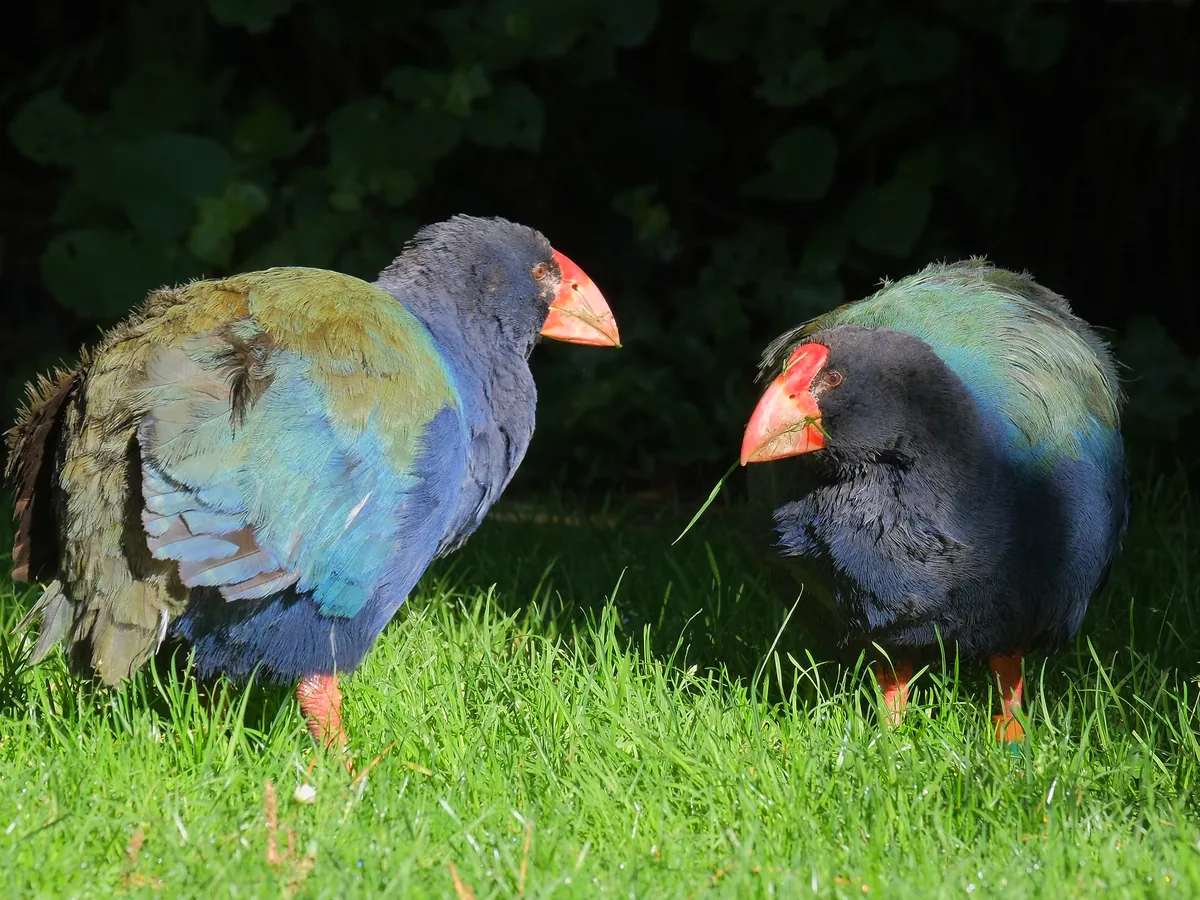
Wikipedia says the takahē, a flightless bird, was rediscovered in the Murchison Mountains in 1948, the same year as the cave entry, and that an area of 500 square kilometres was set aside for its conservation. Wikipedia also says access to the caves is restricted partly because the area is where the takahē was rediscovered. Te Anau now has a bird sanctuary on its southern shore where visitors can see takahē, and the lake's western mountains remain a sanctuary for the species.
What this means for a visit
The caves are an old story and a young cave, in a protected landscape. A visit is a guided, managed trip with a cruise, a walk and a boat ride, and the rules, from the camera ban to the silence, follow from the fact that the animals and the passages are easily disturbed. Knowing the story makes the tour more than a glowworm display: you are standing in a cave that was found in the twentieth century.
Frequently asked questions
Who found the Te Anau caves?
Wikipedia says Lawson Burrows rediscovered the upper entry in 1948, after three years of searching, following clues in old Māori legends.
What does Te Ana-au mean?
Wikipedia renders it as the swirling cave, from the water running through it. For the lake it gives the cave of swirling water.
Can I visit the whole cave system?
No. The operator says access to the wider Aurora system is restricted, with a set annual visitor limit. The guided tour covers one route.
Sources